
EVA Material Usage-3
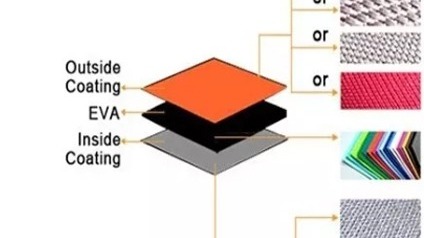
EVA Material Usage-3
Research and Development of Ethylene-Vinyl Acetate (EVA) Copolymer
Foreign research on ethylene-vinyl acetate (EVA) copolymer began early. The Imperial Chemical Industries (ICI) of the UK filed a patent for high-pressure radical polymerization of EVA copolymer in 1938. The DuPont Company of the United States achieved industrial-scale production in 1960. Domestic research on EVA resin started in the 1960s, with trial production success by the mid-1970s.
Key milestones in China include:
- 1988: Beijing Organic Chemical Plant introduced a 15,000-ton/year EVA emulsion facility from the U.S.
- 1991: Sichuan Vinylon Factory imported another identical EVA emulsion facility.
- 2007: Guangxi Guanwei Chemical Co., Ltd. acquired a 50,000-ton/year EVA production line from the U.S., later expanding to a second 25,000-ton/year unit in 2009.
- 2009: Jiangxi Chemical and Textile Co., Ltd. built a 1,000-ton/year EVA line but never achieved full-scale production.
Applications and Properties of EVA Emulsion
EVA emulsion is widely used in adhesives, coatings, cement modifiers, and paper processing, offering exceptional performance:
-
Permanent Flexibility
EVA emulsion acts as an internally plasticized product of polyvinyl acetate (PVAc) emulsion. The incorporation of ethylene chains into the PVAc molecular structure disrupts acetyl groups, enhancing rotational freedom and flexibility while preventing plasticizer migration, ensuring permanent softness. -
Excellent Acid-Base Resistance
EVA emulsion remains stable under weak acidic or alkaline conditions, preventing emulsion breakdown. This broadens its applicability in diverse chemical environments. -
UV Resistance
The internal plasticization from ethylene prevents polymer aging caused by plasticizer loss, granting both EVA emulsion and its cured film UV stability. -
Coating Applications
EVA-based latex paints (using PVAc, acrylic, styrene-butadiene, or EVA emulsions) are used for interior/exterior coatings, waterproofing, fireproofing, and anti-corrosion. EVA coatings exhibit:- Superior bubble resistance and crack resistance
- Strong adhesion to wood, concrete, metal, glass, and textiles
- Compatibility with traditional paints
- Environmental safety and ease of use
-
Paper Processing
EVA emulsion enhances paper properties through impregnation, coating, or pulp additives, improving:- Dry/wet strength and tear resistance
- Gloss and color stability
- Printing efficiency (reducing ink consumption)
It is also used in non-asbestos gaskets and disposable hygiene products (e.g., tissues, diapers) via dry-process expanded papermaking.
-
Cement Modification
EVA emulsion addresses cement’s brittleness and poor water/acid resistance by improving adhesion and durability. While historically used as a cement modifier, it is gradually being replaced by redispersible EVA polymer powders (environmentally friendly and cost-effective) in modern construction applications.
This translation maintains technical accuracy while structuring information for clarity. Let me know if further refinements are needed!
Modern and diversified application scenarios of EVA Bags
The Usage of EVA (Hot Melt Adhesives)
Related Article

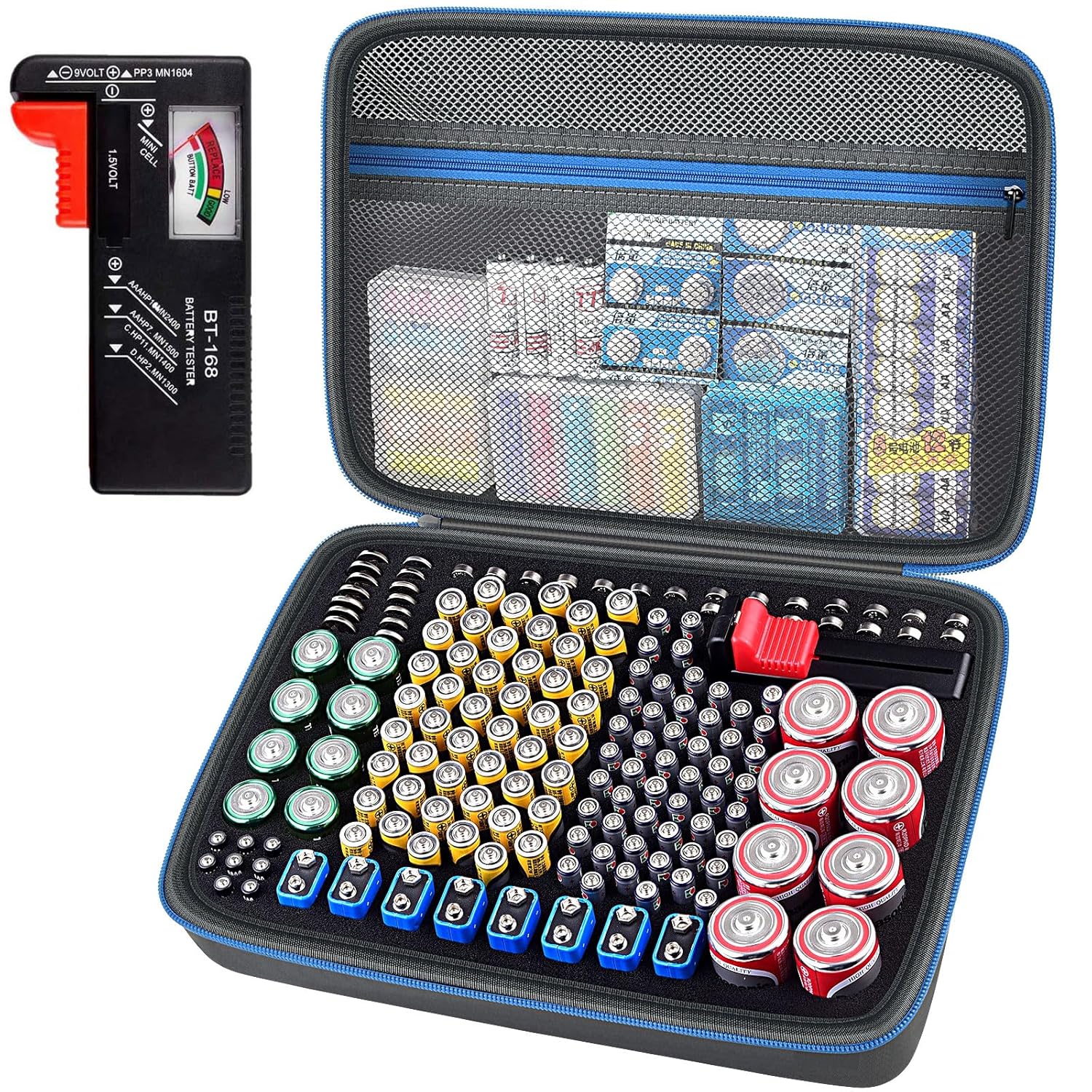
2. Enhance the efficiency of household storage and the utilization rate of space
3. Functional expansion to Meet the needs of multiple family scenarios
4. Dual Manifestation of environmental protection and economic value
5. Design Aesthetics and Home Harmony