
EVA Material & Usage
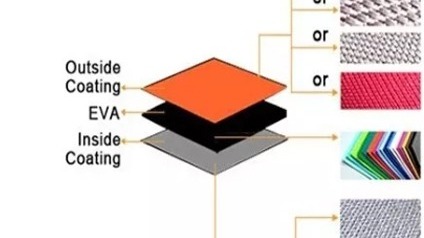
EVA Plastic Resin
EVA (ethylene-vinyl acetate copolymer) plastic resin, abbreviated as EVA, refers to ethylene-vinyl acetate copolymer.
Technical Data Sheet Code: 1314
CAS No.: 24937-78-8
Molecular Formula: (C₂H₄)ₓ·(C₄H₆O₂)ᵧ
Basic Information
- Name: ethylene-vinyl acetate copolymer
- Raw Material: Ethylene-vinyl acetate copolymer
- Average Molecular Weight: 2000
Introduction
This grade exhibits strong adhesion to PE, EVA, and aluminum, with polyolefin-like properties. Additionally, it demonstrates excellent processability. EV-400 is primarily used as an adhesive resin in aluminum composite panels.
Chemical Properties
- Chemical Name (English): ethylene-vinyl acetate copolymer
- Abbreviation: EVA
- Technical Data Sheet Code: 1314
- CAS No.: 24937-78-8
- Density: 0.92–0.98 g/cm³
- Refractive Index: 1.480–1.510
- Brittleness Temperature: < -50°C
- Thermal Decomposition Temperature: 230–250°C
- Stability: Excellent chemical stability, UV resistance, and ozone resistance.
- Molecular Formula: (C₂H₄)ₓ·(C₄H₆O₂)ᵧ
- Average Molecular Weight: 2000
Health and Safety
- Health Hazards: May cause irritation to eyes and skin.
- Flammability/Explosion Risk: Flammable; has irritant properties.
- First Aid Measures:
- Skin Contact: Remove contaminated clothing; rinse with running water.
- Eye Contact: Lift eyelids; rinse with running water or saline solution. Seek medical attention.
- Inhalation: Move to an area with fresh air. Seek medical attention.
- Ingestion: Drink plenty of warm water; induce vomiting. Seek medical attention.
Key Features
- Water Resistance: Closed-cell structure prevents water absorption, ensuring moisture resistance and excellent water repellency.
- Corrosion Resistance: Resists corrosion from seawater, oils, acids, and alkalis. Non-toxic, odorless, and environmentally friendly.
- Processability: Seamless and compatible with thermal pressing, cutting, gluing, and lamination.
- Vibration Damping: High resilience and tensile strength provide superior shock absorption and cushioning.
- Insulation: Excellent thermal insulation, cold resistance, and UV resistance.
- Soundproofing: Closed-cell structure ensures effective noise reduction.
Typical Characteristics
- When the vinyl acetate content in EVA is below 20%, it can be used as a plastic.
- EVA (PA66) exhibits excellent low-temperature performance, with a thermal decomposition temperature of approximately 230°C.
- As molecular weight increases, the softening point rises, reducing processability and surface gloss but enhancing mechanical strength, impact resistance, and environmental stress crack resistance.
- Compared to PE and PVC, EVA has slightly inferior chemical and oil resistance, with differences becoming more pronounced as vinyl acetate content increases.
Performance Advantages Over PE:
- Improved elasticity, flexibility, gloss, and breathability.
- Enhanced environmental stress crack resistance.
- Better compatibility with fillers, allowing incorporation of additives to offset mechanical property declines.
Modification Methods:
- Grafting: Use EVA as the backbone for grafting other monomers.
- Partial Alcoholysis: Modify EVA through controlled hydrolysis.
Note: Ensure compliance with local safety regulations when handling EVA resins.
The Usage of EVA material
Extra Large Battery Storage Holder Case for DEWALT 20V/ 60V MAX XR &Charger, Tool Batteries Pack Container Carrier Box
Related Article

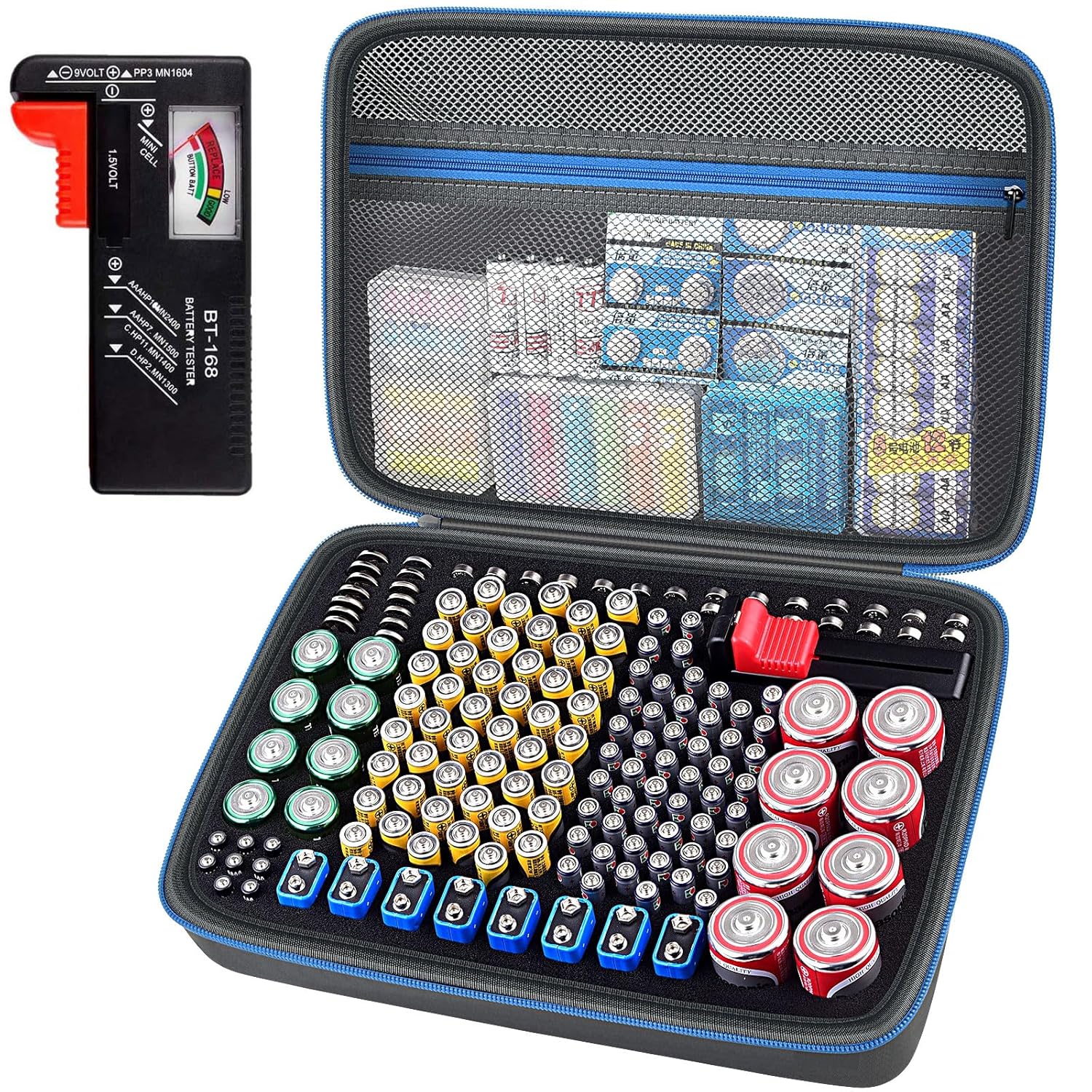
2. Enhance the efficiency of household storage and the utilization rate of space
3. Functional expansion to Meet the needs of multiple family scenarios
4. Dual Manifestation of environmental protection and economic value
5. Design Aesthetics and Home Harmony